
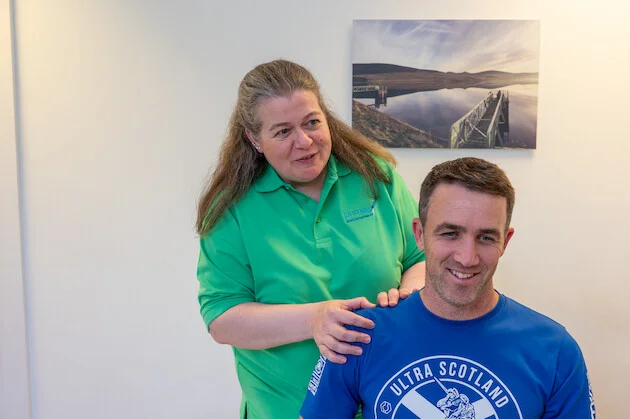
A clear, supportive approach to reducing neck pain, easing neck-related headaches, and helping you move with confidence in daily life.
Introduction
Neck pain is a common condition that can affect comfort, concentration, sleep, work, and physical performance. Symptoms may develop gradually due to posture, desk-based work, or stress, or follow an injury or sudden movement. Some people also experience headaches or nerve-related symptoms such as pain spreading into the shoulder or arm, tingling, or altered sensation.
At Prime Sports Physiotherapy, we support people across Edinburgh and the surrounding areas through our clinic locations in Balerno and within Edinburgh, including our facility at George Watson’s College. We work with people with a wide range of activity levels, active individuals, and athletes, providing clear assessment and personalised physiotherapy to support long-term movement health. This page is for adults and adolescents looking for a clear, reassuring explanation of neck pain and how physiotherapy can support recovery, confidence, and long-term movement health.
Who this helps
Neck pain physiotherapy may be helpful for:
- People with desk-based or screen-heavy jobs
- Those experiencing stiffness, reduced neck movement, or muscular tension
- Individuals with neck pain associated with headaches
- People with nerve-related symptoms such as arm pain, pins and needles, or tingling
- Active people and gym users with training-related neck strain
- Teenagers and adults with posture-related discomfort
- People with age-related or degenerative changes, such as disc wear or osteoarthritis, who want to stay active and manage symptoms safely
Clinical explanation
Neck pain involves the joints, discs, muscles, ligaments, and nerves of the cervical spine responding to load and movement. Common contributors include sustained postures, reduced movement variety, muscle overload, stress, previous minor injuries, reduced neck strength, and poor coordination between the neck and core muscles. When the neck and trunk are not sharing load efficiently, the neck may become overworked during everyday activities.
Neck pain is commonly linked to headaches, often described as tension-type or cervicogenic headaches. These may be felt at the base of the skull, around the temples, or behind the eyes and are frequently aggravated by prolonged sitting or sustained neck positions. In some cases, irritation of a cervical nerve, sometimes referred to as a trapped nerve, can cause pain to spread into the shoulder or arm, along with tingling or altered sensation.
Symptoms may also be influenced by normal age-related or degenerative changes, such as disc thinning or joint stiffness. These findings are very common and do not necessarily explain pain severity. Physiotherapy focuses on identifying modifiable factors and supporting the neck and nervous system to tolerate movement and load more effectively.
How physiotherapy helps
Physiotherapy for neck pain focuses on understanding how your neck responds to daily activities, work postures, and physical demands. Assessment includes posture, neck mobility, muscle strength and endurance, movement control, and how well the neck works together with the core and upper body.
Treatment combines hands-on care with active rehabilitation. This may include techniques to improve joint movement, reduce muscle tension, and ease stiffness, alongside progressive exercises to build neck strength, endurance, and coordination. Core control and postural strategies are addressed where relevant to improve load sharing and reduce strain through the neck.
Education is a central part of care, helping you understand your symptoms, move with confidence, and manage flare-ups safely. Rehabilitation is progressive and individualised, supporting comfortable movement and long-term neck health.
What to expect at Prime Sports Physiotherapy
Your first appointment includes a thorough assessment and a clear explanation of what is contributing to your neck pain, headaches, or nerve-related symptoms. We take time to understand how your symptoms affect your work, daily activities, and movement confidence.
Treatment is tailored to your findings and may include hands-on techniques such as soft tissue release and joint mobilisation to reduce stiffness and improve movement. This is supported by progressive exercise, including gentle stretching, strengthening, and movement control exercises designed to improve neck and upper body function. Core control and posture are addressed where relevant to support better load sharing through the neck.
Ongoing care focuses on gradual progression, symptom management, and building long-term resilience. Treatment plans are adapted as your symptoms and confidence improve, with the aim of helping you move comfortably, manage flare-ups, and maintain neck health over time.
Quick wins: safe exercises you can try today
These gentle movements are suitable for many people with neck pain and neck-related headaches. They should not cause sharp pain or worsening symptoms. Stop if discomfort increases.
- Neck rotations: Slowly turn your head left and right within a comfortable range, 5 to 10 times
- Neck nods: Gently nod your head as if saying yes, keeping the movement small and controlled
- Shoulder blade squeezes: Gently draw your shoulder blades back and down, hold for 5 seconds, repeat 5 to 10 times
- Posture breaks: Change position or stand up every 30 to 60 minutes during prolonged sitting
If symptoms persist or worsen, professional assessment is recommended.
When to seek professional help
Consider physiotherapy if neck pain or headaches last more than a few weeks, keep returning, or interfere with work, exercise, or sleep. Seek medical advice promptly if you experience severe pain following trauma, progressive arm weakness, significant numbness, or changes in balance or coordination. Early assessment can support safe and confident recovery.
Call to action
If neck pain, headaches, or nerve-related symptoms are affecting your comfort or confidence, you can book an assessment with Prime Sports Physiotherapy in Edinburgh to discuss a personalised plan that supports recovery, performance, and long-term movement health.